Guide to Continuing Diver Education for Safer Skills
This guide to continuing diver education helps divers, instructors, and centers build lasting skills, safer habits, and smarter learning systems daily.
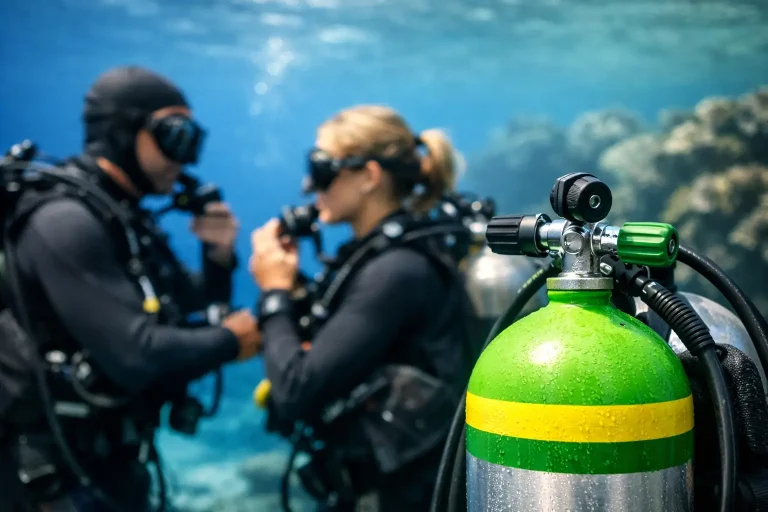
When should divers use nitrox? Learn where EAN makes sense, when air is better, and how training, depth, and exposure shape the right choice.
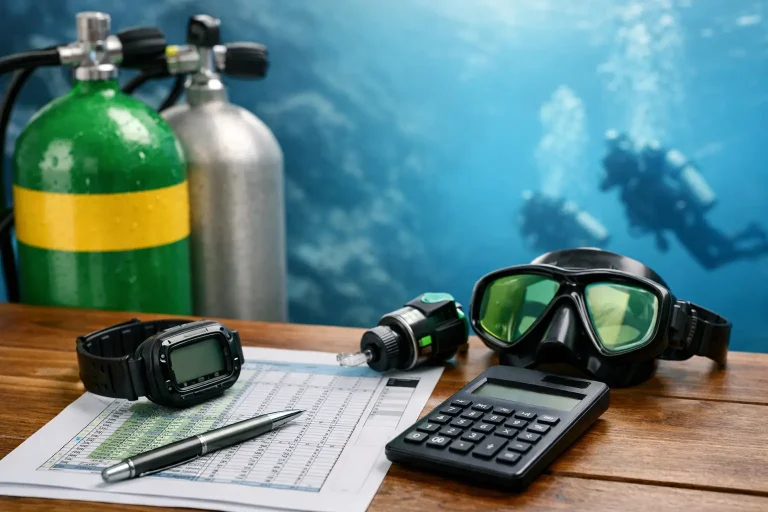
Learn how to calculate EAN for diving safely, including MOD, oxygen limits, and best mix choices for depth, training, and real dive planning.
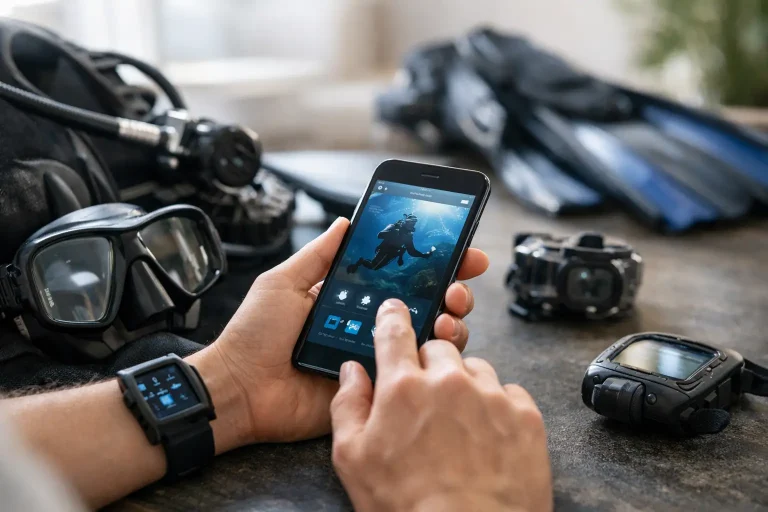
A scuba training app should do more than host quizzes. Here’s what matters for learning, safety, instructor workflows, and diver retention.
Today we are releasing the first beta version of the MBAR Quest mobile app for Android and iOS. MBAR Quest is our quiz-based learning app designed to support divers in practicing and strengthening their knowledge through short, focused questions. You can use MBAR Quest directly in the browser or install the mobile app on Android…
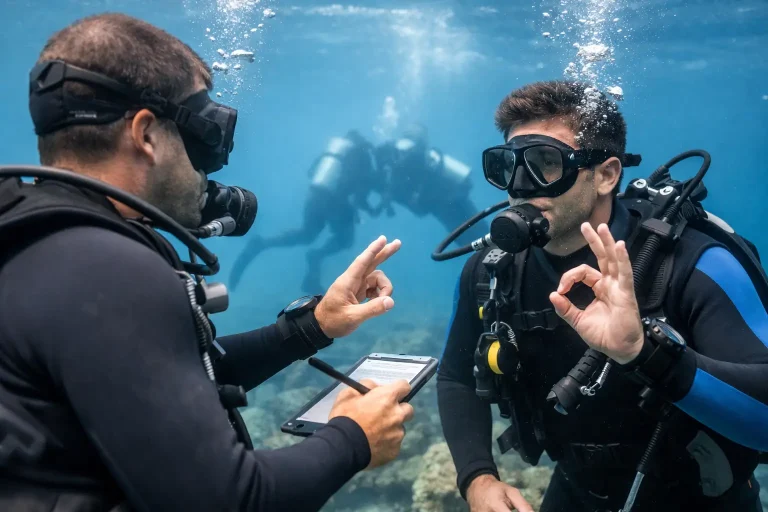
Why continuing education matters Formal training gives divers and instructors a foundation, but the underwater industry moves fast. Continuing education keeps safety practices current, improves student outcomes, and helps professionals remain competitive. For operators and dive centers, ongoing training is an investment that reduces risk, strengthens reputation, and improves retention of both staff and customers….
Why we built this EAN Calculator Enriched Air Nitrox (EAN) is a powerful option for recreational diving, especially on shallow to moderate profiles where it can extend no-decompression limits. But getting the most benefit from Nitrox requires more than a tank label. It requires understanding oxygen percentage, partial pressure of oxygen (PPO2), maximum operating depth…
Why this tool matters Understanding the physics of diving is essential for safe and confident underwater practice. As Millibar grows, we continue to prioritize practical education that supports both new divers and experienced professionals. This new learning tool focuses on the core physical principles—pressure, buoyancy, gas laws, and partial pressures—and provides a compact, accessible way…
Tech skills shouldn’t be a mystery for dive pros or students. We help professionals learn practical technical skills and tools that grow revenue and make day-to-day operations easier, from bookings and inventory to customer follow-ups and staff training. At the same time we build clear, modern study tools that help divers understand scuba theory, physiology,…