Inclusivity and diversity in diving
Why this matters
Diving communities thrive when people from different backgrounds, abilities, and cultures can participate. Yet many barriers keep interested people out: cost, limited representation, access to facilities, language gaps, physical accessibility, and cultural perceptions. As a platform serving dive centers, instructors, and operators, we believe inclusivity is not a marketing line. It is a business and ethical priority that expands the sport and strengthens local ecosystems.
Barriers that persist
Cost is one of the most tangible blockers. Training, travel, and gear add up quickly. Representation in imagery and leadership affects whether someone sees diving as for them. Geographic access matters when the nearest shore or dive center is hours away. Language and cultural differences make curriculum and safety messaging less effective. Finally, people with disabilities often face real-world accessibility gaps on boats, docks, and in instructor training.
Practical steps dive centers and instructors can take
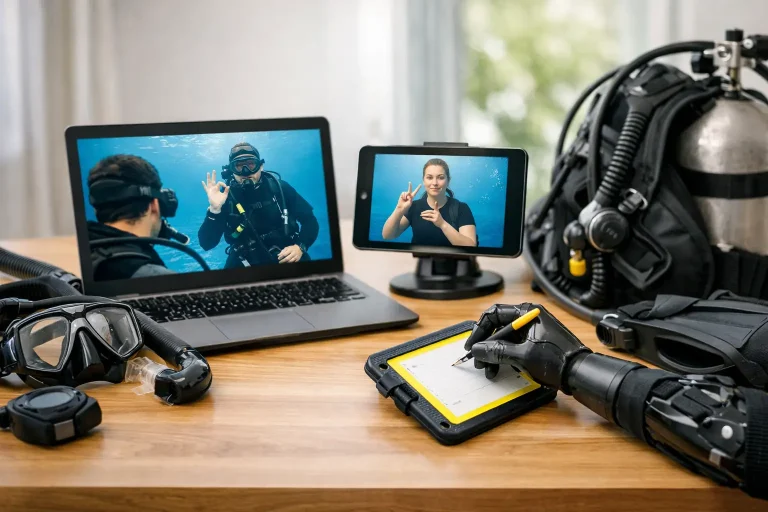
Make concrete, repeatable changes: offer tiered pricing, rental gear packages, and scholarship or work-trade programs to reduce financial barriers. Audit marketing and recruitment materials to show diverse people and stories. Produce bilingual or multilingual course materials and use simple visual aids for critical safety points. Improve physical access with ramps, transfer aids, and boat boarding solutions. Train staff in inclusive communication and adaptive diving techniques and partner with adaptive diving organizations to share expertise. Create community days, outreach programs, and mentorship pairings that introduce underrepresented groups to the water in a low-pressure environment.
Trends and tools that help
Digital learning reduces time and cost for theory. Translation tools and localized e-learning make content accessible to non-native speakers. Online communities and microgrants are growing, enabling grassroots initiatives and shared equipment pools. Operators who invest in accessibility and diversity often see broader customer retention and stronger local partnerships.
Next steps
Start with a simple audit: who is missing in your classroom, on your website, and in leadership? Set measurable goals, pilot low-cost programs, and gather feedback from the communities you want to serve. Inclusivity is iterative; small, consistent actions lead to meaningful change.
If you have ideas or experiences to share, please reach out to us! To learn more about tools and resources we are building for dive centers and instructors, contact us or visit millibar.io to get involved.
Photo: boomba057 via Unsplash